May 18, 2026
Maintaining a safe and functional fireplace requires more than just stacking wood and lighting a match. While many homeowners view the hearth as a cozy centerpiece, the internal health of the flue system is often overlooked until a dangerous situation arises. Recognizing the subtle and obvious warning signs that your chimney is compromised will ensure your home stays warm without becoming a fire hazard.
Identifying Excessive Creosote Accumulation
One of the most significant indicators that you need to call chimney sweeps is the visible buildup of creosote along the interior walls of your flue. Creosote is a highly flammable, tar-like byproduct of burning wood that condenses on the cooler surfaces of the chimney. If you notice a crusty, black, or flaky substance when looking up into your fireplace with a flashlight, your system is likely overdue for a thorough cleaning.
This substance exists in three stages, with the third stage being a thick, glossy glaze that is incredibly difficult to remove and highly combustible. When this material ignites, it leads to a catastrophic event within your home’s structure. According to This Old House, chimney fires can reach up to 2,000°F. At these extreme temperatures, the fire can easily melt mortar, crack masonry, and ignite the wooden framing of your house, making early detection of creosote a life-saving habit.
Observing Poor Draft and Smoke Backup
If you find that smoke is billowing back into your living room rather than rising through the chimney, you are experiencing a draft issue that requires immediate attention. A properly functioning chimney relies on the "stack effect" to pull combustion gases up and out of the home. When this flow is obstructed, it often indicates a blockage caused by soot, debris, or even structural collapse inside the flue.
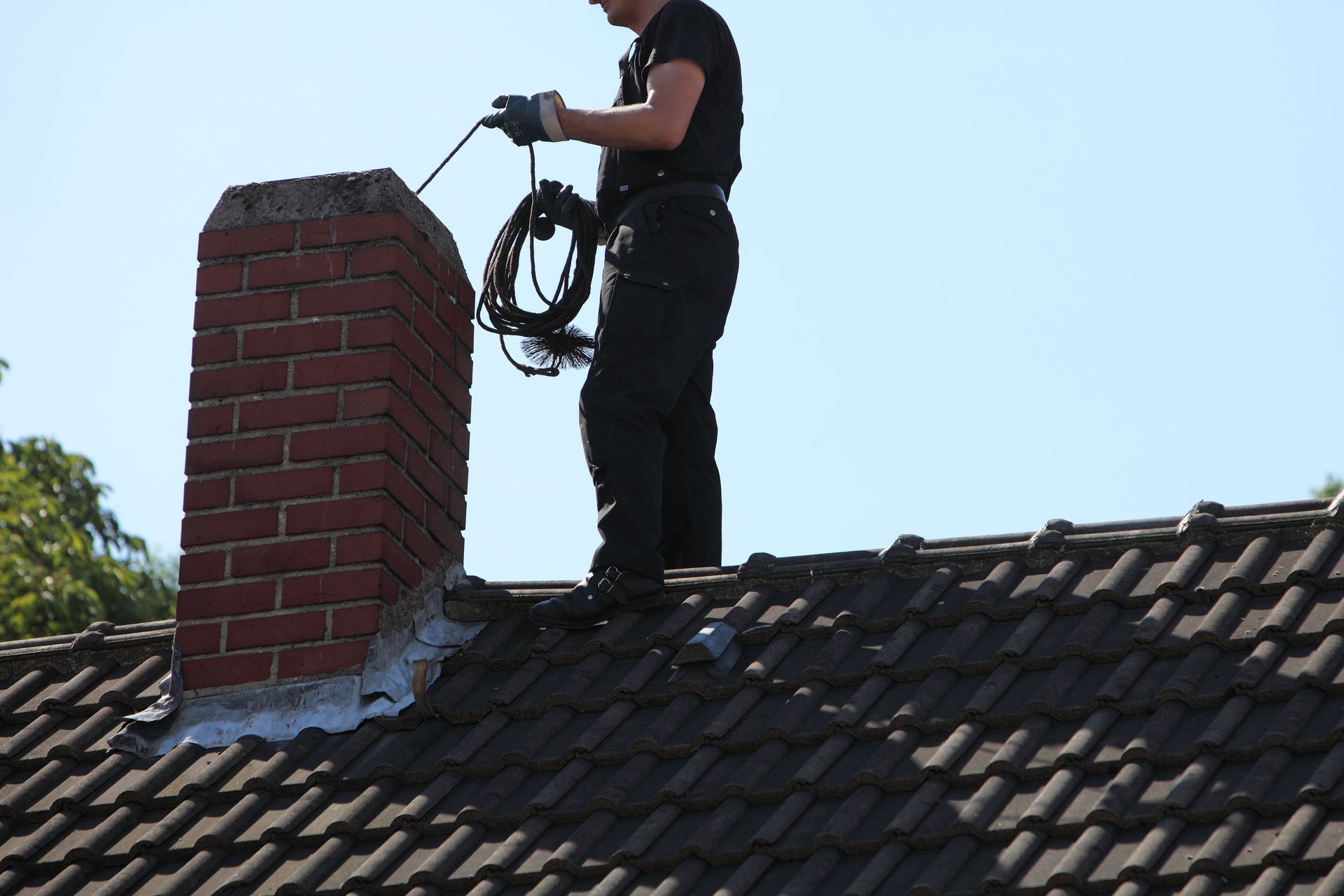
A sluggish draft isn't just a nuisance that smells like a campfire; it is a serious health risk. When smoke cannot escape, carbon monoxide—a colorless, odorless, and deadly gas—can seep into your living spaces. Professional chimney sweeps use specialized cameras to inspect the length of the flue, identifying exactly where the obstruction lies and removing it before you light your next fire.
Detecting Foul Odors During Humid Weather
A chimney that needs cleaning often announces itself through your sense of smell, particularly during the summer months or periods of high humidity. As moisture in the air interacts with the soot and creosote deposits inside the flue, it creates a distinct, acrid odor similar to wet asphalt or an old barbecue pit. These smells are a clear sign that the chemical byproducts of past fires are lingering in high concentrations.
While some homeowners attempt to mask these odors with air fresheners, the underlying cause remains a fire risk. Engaging chimney cleaning services to perform a deep scrub of the masonry will neutralize these odors at the source. If the smell persists even after a cleaning, it may indicate a problem with the chimney cap or a leak that is allowing water to stagnate inside the system.
Noticing Evidence of Animal Intrusions
Chimneys are attractive nesting spots for birds, squirrels, and raccoons, especially if your chimney cap is damaged or missing altogether. If you hear scratching, chirping, or scurrying noises coming from behind the damper, you likely have unwanted guests. Nesting materials like twigs, grass, and feathers are extremely dry and flammable, acting as a fuse if you were to light a fire without clearing them first.
Furthermore, animal waste and the unfortunate event of an animal dying within the flue can lead to severe blockages and hygiene issues. Professional chimney sweeps are trained to safely remove these obstructions and can install high-quality mesh caps to prevent future infestations. Clearing out biological debris is a critical step in restoring the airflow necessary for a safe burn.
Finding Black Soot and Oily Residue
Take a close look at the damper and the walls of the firebox; if they are coated in a thick layer of oily, black soot, the rest of your chimney is likely in the same condition. Soot is essentially fine carbon dust that, while less combustible than creosote, still restricts airflow and creates a messy environment. When soot mixes with moisture, it becomes acidic and can eat away at the mortar joints and metal liners over time.
This residue can also fall back down into the hearth, staining your carpets and furniture. Regular maintenance by a chimney sweep prevents this accumulation from reaching a critical mass. If you can draw a line in the soot with your finger and it feels greasy or leaves a dark stain, the level of byproduct has exceeded safe limits for residential operation.
Analyzing the Color of Your Fire
The efficiency and color of your flames can actually tell you a lot about the state of your chimney’s cleanliness. A healthy fire should burn brightly with orange or yellow flames and produce very little visible smoke once it is established. If your fire appears "lazy," struggles to stay lit, or produces a thick, dark smoke regardless of the wood quality, your chimney is likely struggling to breathe.
This lack of oxygen is often caused by a narrowed flue diameter due to years of neglected cleaning. When the passage is restricted, the fire cannot reach its optimal temperature, leading to incomplete combustion and the rapid creation of even more creosote. Calling in chimney sweeps to restore the original dimensions of the flue will improve heat output and reduce the amount of wood you need to burn.
Inspecting for Falling Masonry or Shaling
If you find small bits of tile or thin, red flakes at the bottom of your fireplace, your chimney liner is likely deteriorating. This process, known as shaling, occurs when the clay flue liners begin to crack and peel due to age, moisture, or previous chimney fires. A compromised liner is a major safety violation because it allows heat and sparks to make direct contact with the combustible parts of your home's structure.
Modern chimney cleaning services often recommend relining systems with stainless steel if the original masonry is failing. Ignoring falling debris is dangerous, as the cracks in the liner can also allow flue gases to bypass the chimney and enter your bedrooms or attic. Any sign of structural "shedding" inside the firebox is a signal to stop using the fireplace immediately until a professional inspection is completed.
Evaluating the Condition of the Chimney Cap
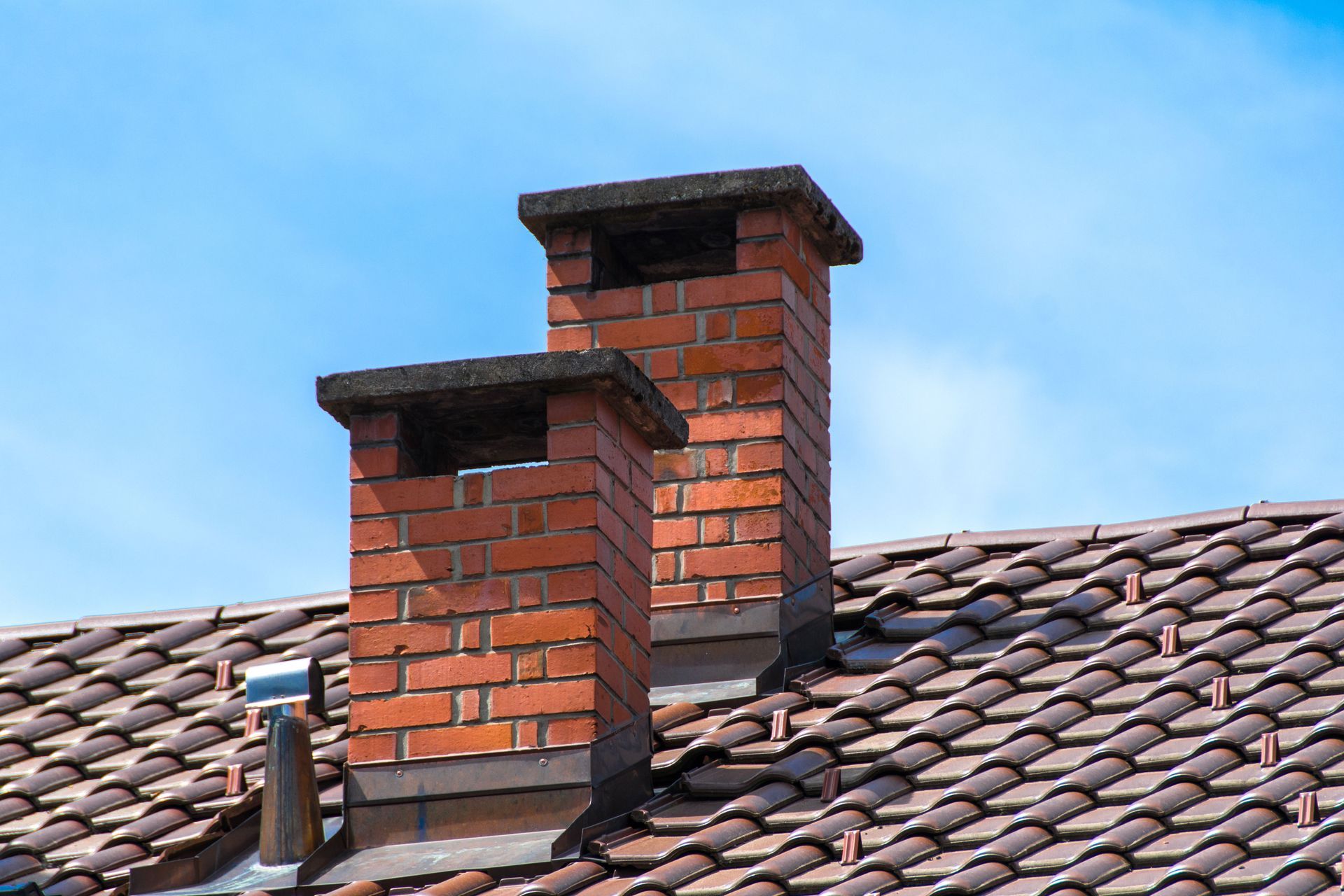
While much of the work happens inside, the exterior components of your chimney are just as vital to its overall health. The chimney cap and crown serve as the first line of defense against the elements. If you notice from the ground that your cap is tilted, rusted, or completely gone, your flue is vulnerable to rain, snow, and debris, all of which accelerate the buildup of dangerous compounds.
Water is the primary enemy of a masonry chimney, as it causes the "freeze-thaw" cycle that breaks apart bricks and mortar. Expert chimney sweeps will check the integrity of these exterior seals during a standard cleaning.
Maintaining a clean chimney is a fundamental responsibility for any homeowner who enjoys the warmth of a wood-burning fire. Scheduling regular visits from professional sweeps ensures that your hearth remains a source of comfort rather than a hidden danger. If you are looking for a reliable chimney cleaning service, contact Chimney Cricket today to learn more and get started today!