March 18, 2026
Fireplaces evoke a sense of warmth and comfort, especially during the colder months. However, the beauty of a roaring fire can also mask potential hazards lurking within neglected chimneys. Regular chimney maintenance is crucial not only for maintaining efficient airflow but also for preventing hazardous conditions such as fires and carbon monoxide poisoning. The frequency at which chimneys require cleaning is influenced by several factors, ranging from the type of fuel used to the design of the chimney itself. This article explores the intricacies of chimney maintenance and provides insights into how often your fireplace really needs cleaning.
Identifying Common Chimney Mechanics and Cleaning Requirements
To understand how often you need to call in the pros, it helps to look at what is happening inside that brick or metal structure. A chimney is a complex system designed to move smoke and toxic gases safely out of your living space. It includes parts like the flue, the cap, and the damper, all of which need to stay clear to work right. When you use your fireplace, the smoke rises, cools, and then condenses. This creates a sticky, tar-like substance called creosote. Because creosote is highly flammable, it is the main reason chimney sweeps are so necessary for home safety.
The way your chimney is built also changes how much gunk builds up. If a chimney is very tall or has a lot of bends, it might struggle with airflow, leading to faster buildup. Even the weather plays a part; damp or humid air can make creosote stick to the walls more quickly. By keeping an eye on how well your fire burns and watching for smoke backing up into the room, you can get a feel for when things are getting restricted. Regular maintenance ensures that the draft stays strong and the air stays clean inside your home.
Evaluating Fuel Types and Usage Frequency Impacts
What you choose to burn is perhaps the biggest factor in your cleaning schedule. If you love a traditional wood-burning fire, you are going to see more soot and creosote than someone using gas. Softwoods like pine tend to create more residue than seasoned hardwoods like oak. On the other hand, gas fireplaces are much cleaner, though they still need an annual check to make sure the vents aren't blocked by nests or debris. Coal and alternative fuels like ethanol have their own unique footprints, but wood remains the most demanding fuel for any system.
A family that enjoys a fire every single night during the winter will obviously need more frequent visits from chimney sweeps than someone who only lights a candle in the hearth for decoration. Most experts suggest that if you are using a wood-burning fireplace as a primary or frequent heat source, an annual cleaning is a must. If it’s just for special occasions, you might be able to go a bit longer, but a quick inspection once a year is still the safest bet to catch any hidden issues before they become dangerous.
Recognizing Warning Signs and Structural Obstructions Early
You don’t always have to wait for a calendar date to know your fireplace needs help. There are some pretty clear "cries for help" your chimney might give off. If you notice a strong, campfire-like smell even when there is no fire burning, that’s a sign of heavy creosote buildup. You might also see oily spots on the walls of the fireplace or notice that smoke isn't rising as quickly as it used to.
Beyond just the soot, chimneys can get physically blocked by things from the outside world. Leaves, twigs, and even bird nests can clog up the flue. According to Zippia, more than 10,957 chimney sweeps are currently employed across the United States, and a big part of their job is clearing out these unexpected guests. If a chimney cap is missing or damaged, it’s like leaving a front door open for nature. Finding and fixing these blockages early prevents carbon monoxide from backing up into your house, which is a risk no one should take.
Understanding Professional Sweeping Tasks and Certification Standards
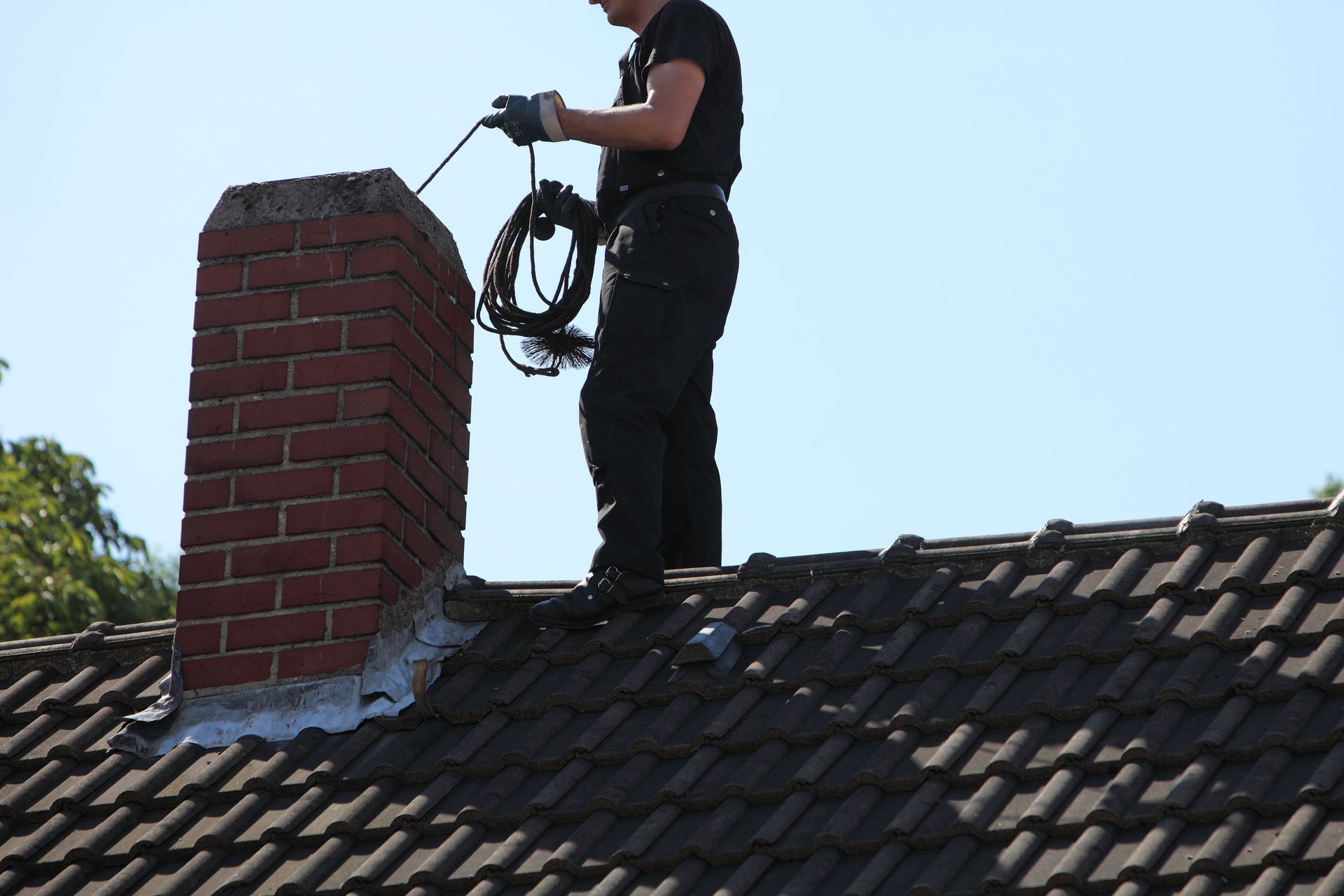
When a professional arrives at your home, they do much more than just run a brush up and down the flue. A real professional cleaning involves a full assessment of the chimney's health. They look for cracks in the liner, check the integrity of the masonry, and ensure the damper is opening and closing fully. They use specialized tools, high-powered vacuums, and cameras to see into spots that are otherwise invisible. This level of detail is why hiring chimney sweeps is often better than trying to do it yourself with a hardware store kit.
It’s also worth looking for someone who has the right credentials. There are national organizations that provide training and safety certifications to ensure that the person working on your home knows exactly what they are doing. These standards mean the sweep is up to date on building codes and fire safety protocols. When you hire someone certified, you aren't just paying for a clean chimney; you’re paying for the peace of mind that comes with knowing your home is structurally sound and safe for another season of cozy fires.
Comparing DIY Cleaning Risks and Professional Expertise
A lot of homeowners wonder if they can just handle the cleaning themselves. While you can certainly buy brushes and rods at a local shop, there are some big "pros and cons" to consider. Doing it yourself can save some money in the short term, but it is a very messy and physically demanding job. You have to be comfortable on a ladder, have the right protective gear like masks and goggles, and be prepared to deal with a lot of soot. Plus, a DIYer might miss the subtle signs of a cracked flue or a thinning liner that a professional would catch instantly.
The danger of missing a structural flaw is why most people eventually decide that calling in chimney sweeps is the better route. Professionals have the experience to distinguish between normal wear and tear and a fire hazard. They also have the equipment to contain the dust, so your living room doesn't end up covered in black ash. If you do choose to do it yourself, it’s still a great idea to have a professional inspection every few years just to verify that your work is keeping the system in top shape.
Implementing Seasonal Maintenance and Protective Strategies
The best way to keep your fireplace running smoothly is to make maintenance a year-round habit. For example, installing a high-quality chimney cap is one of the easiest ways to prevent many common problems. It keeps rain out, which prevents the masonry from eroding, and it keeps animals from turning your flue into a home. During the summer, you can check the exterior of the chimney for any loose bricks or crumbling mortar. Catching these small issues during the "off-season" is usually much cheaper than dealing with a major repair in the middle of a blizzard.
Long-Term Safety and Efficiency Benefits
Taking care of your chimney is about much more than just avoiding a mess; it’s about protecting your biggest investment and your family. A clean chimney draws air more efficiently, which means your fires will burn hotter and brighter with less smoke. This efficiency can even help save on heating costs if you use your fireplace or stove frequently. More importantly, regular care significantly lowers the risk of a chimney fire, which can spread to the rest of the house in a matter of minutes. It’s one of those household tasks where an ounce of prevention is truly worth a pound of cure.
In the long run, keeping detailed records of your inspections and cleanings can even help with the resale value of your home. Potential buyers love to see that a fireplace has been well-maintained and is safe to use. By staying on top of the soot, keeping the critters out, and ensuring the structure is sound, you turn your fireplace into a reliable source of joy rather than a source of stress. Whether you are doing minor check-ups yourself or bringing in the experts, consistent care is the key to a lifetime of safe, warm, and happy winters. To ensure your home stays safe and your fireplace runs perfectly all season long, reach out and contact Chimney Cricket.