February 18, 2026
The hearth has long served as the literal and figurative heart of the home. It provides warmth during the biting chill of winter and offers a focal point for family gatherings. However, the complex system that allows a cozy fire to burn safely is often overlooked until a problem arises. Understanding the anatomy, maintenance, and safety requirements of your ventilation system is essential for any homeowner. Whether you are a new owner of a historic property or a longtime resident of a modern suburban house, staying informed about the health of your masonry is the best way to ensure your family remains safe and your property stays protected.
Identifying Common Structural Components
A chimney is far more than a simple brick column extending from your roof. It is a sophisticated engineering feat designed to create a specific pressure differential that draws smoke and toxic gases up and out of your living space. At the base lies the firebox, the reinforced area where the combustion actually occurs. Above this sits the smoke chamber and the damper, a movable valve that allows you to seal the flue when the fireplace is not in use to prevent heat loss.
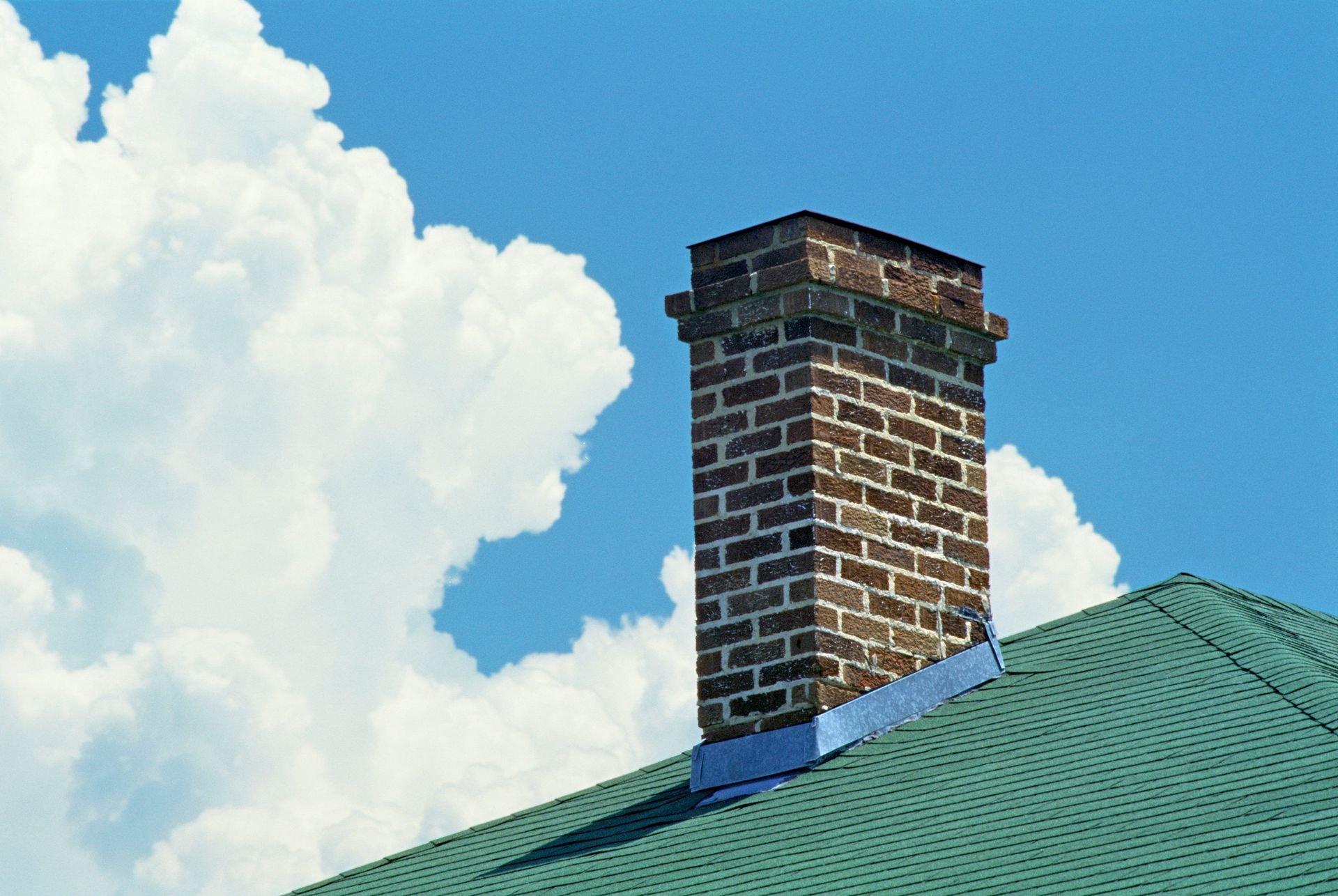
The interior of the structure is lined with a flue, typically made of clay tiles, metal, or cast-in-place masonry. This liner is the primary defense against heat transfer to the combustible wooden frames of your house. On the exterior, the crown sits at the very top, acting as a concrete umbrella that sheds water away from the masonry. Without a healthy crown, water would seep into the brickwork, leading to rapid deterioration and the eventual need for professional chimney repair to restore the structural integrity of the stack.
Recognizing Early Warning Signs
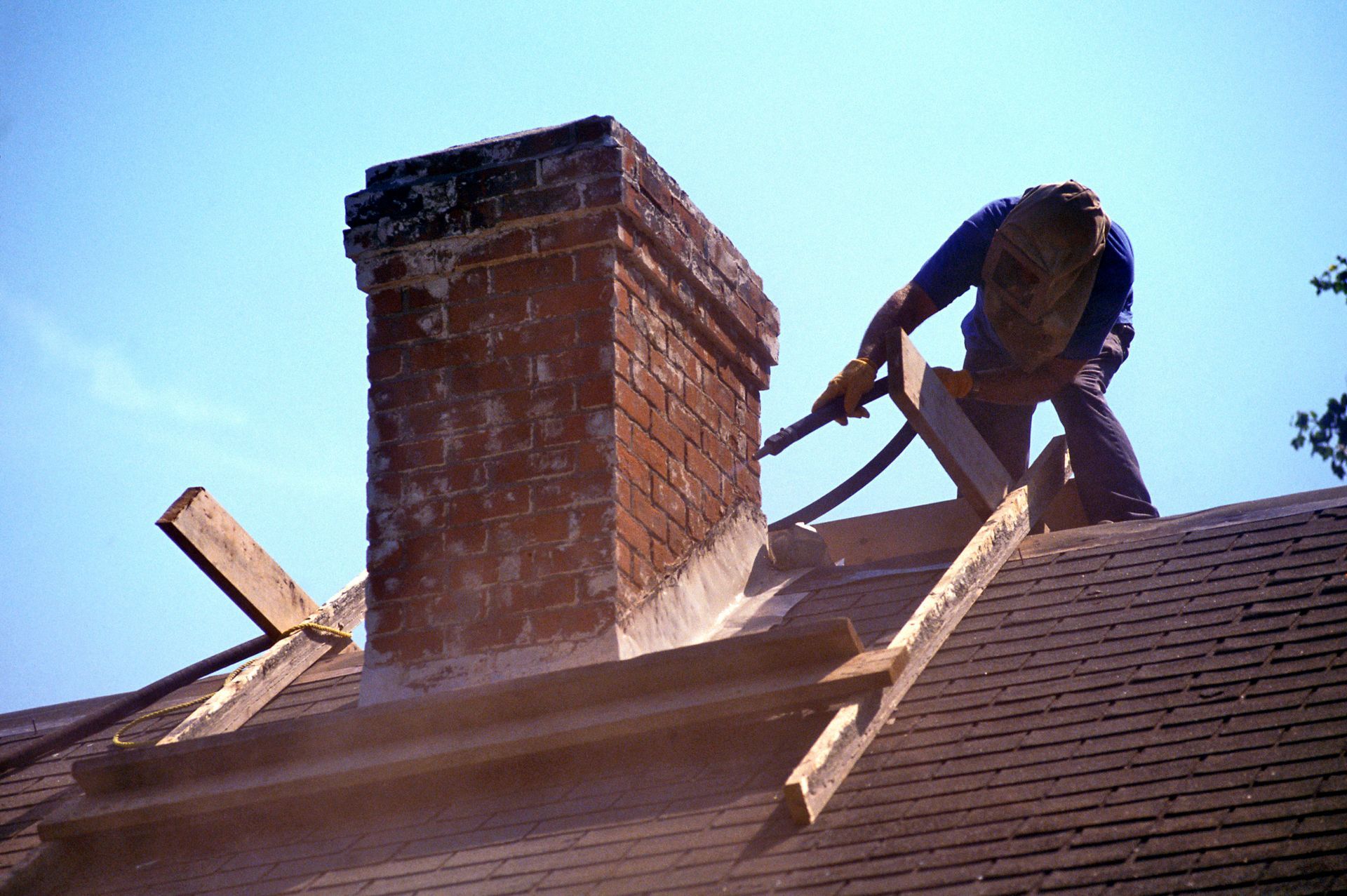
Vigilance is your best tool for preventing expensive disasters. Homeowners should regularly inspect their fireplaces for subtle changes that indicate underlying issues. One of the most common red flags is the presence of white, powdery staining on the exterior bricks, known as efflorescence. This is a sign that moisture is trapped inside the masonry and is leaching salts to the surface. If ignored, this moisture will freeze and expand, cracking the bricks from the inside out.
Another warning sign is the presence of thin flakes of chimney tile piling up in the firebox. This process, called spalling, suggests that your flue liner is beginning to fail. A cracked liner is a significant fire hazard, as it allows intense heat to reach the flammable parts of your home's structure. If you notice a smoky smell in the house while a fire is burning, or if you see visible gaps in the mortar joints, it is time to seek out chimney repair services before the damage worsens.
Evaluating Necessary Safety Clearances
Safety standards for chimneys are not merely suggestions; they are rigorous requirements designed to prevent roof fires and ensure proper drafting. The height of the structure plays a massive role in how well smoke exits the home. Wind patterns around the peak of a roof can create high-pressure zones that push smoke back down the flue if the stack is too short.
Architects and builders must follow specific geometric rules to ensure the fire burns cleanly. According to This Old House, chimneys and flues must extend a certain distance above the roof, typically ten feet high when measured horizontally from the chimney top to the nearest roof section. This clearance ensures that sparks have time to cool before landing on shingles and that the airflow remains unobstructed by the pitch of the roof. Maintaining these proportions is a critical aspect of home safety, and any major chimney repair or renovation must adhere to these local building codes.
Understanding Seasonal Maintenance Needs
Because your chimney is exposed to the elements year-round, it requires a different type of care during each season. In the spring, it is wise to inspect the structure for damage caused by the winter freeze-thaw cycle. Ice can widen small cracks in the mortar, leading to leaks during spring rainstorms. Summer is often the best time for deep cleaning and the application of waterproof sealants, as the warm weather allows masonry products to cure properly.
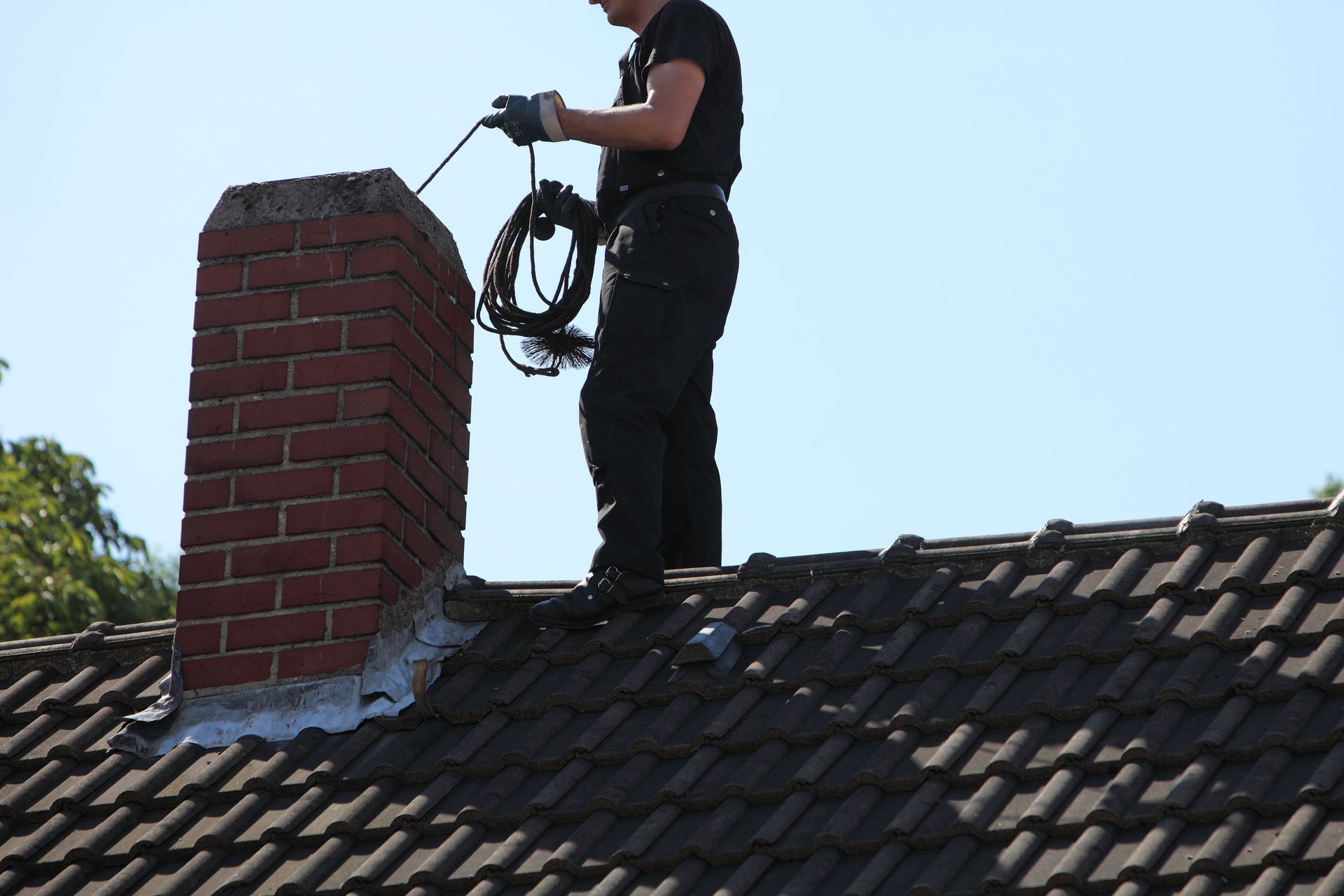
As autumn approaches, the focus shifts to functionality. This is the period when most homeowners schedule their annual sweep to remove creosote. Creosote is a highly flammable byproduct of wood combustion that coats the inside of the flue. If allowed to build up, it can ignite, causing a chimney fire that can reach temperatures high enough to melt metal. Regular maintenance prevents these dangerous scenarios and allows a technician to spot small issues that might require a minor chimney repair before the heavy use of the winter months begins.
Preventing Chronic Water Damage
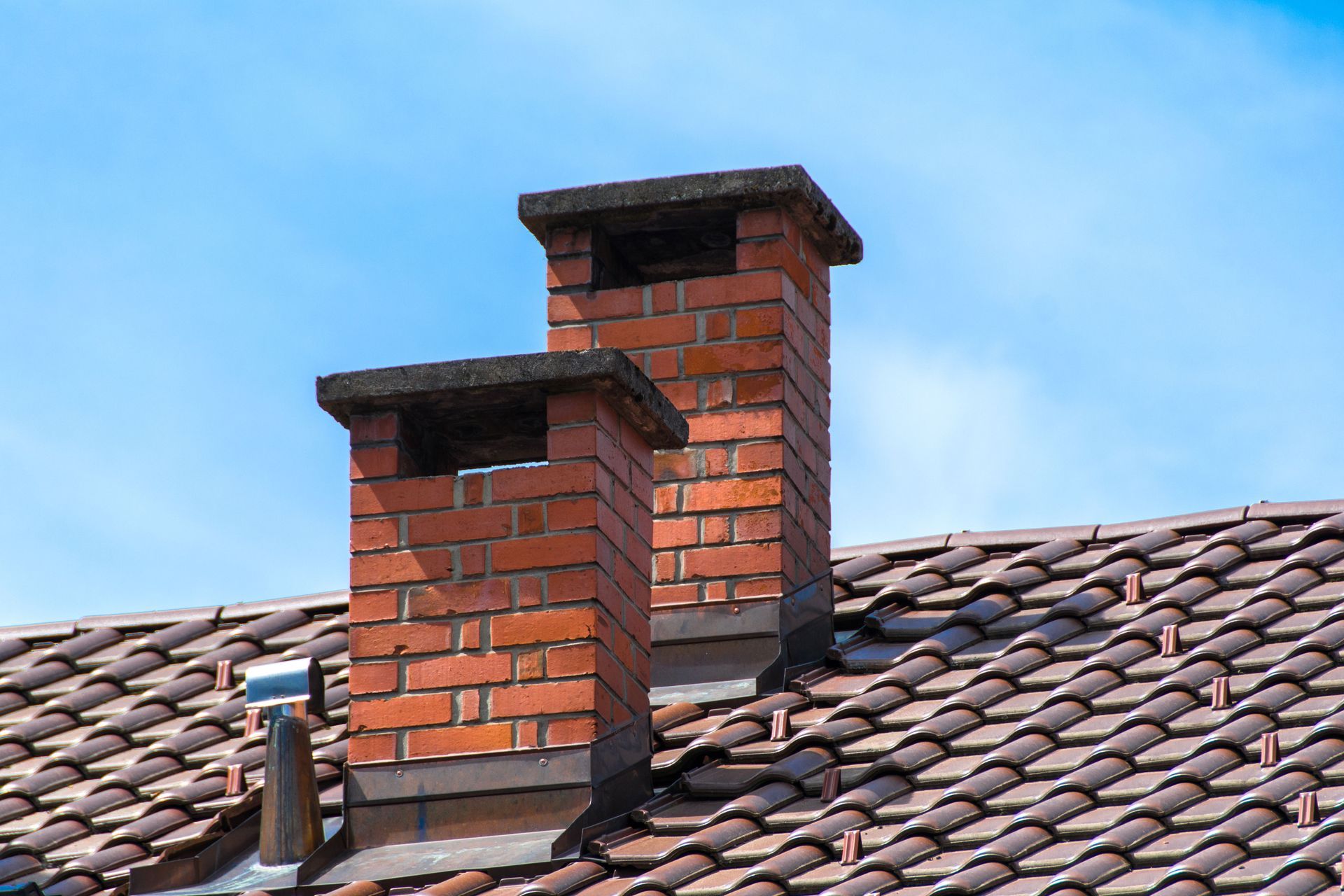
Water is the greatest enemy of any masonry structure. Unlike stone, brick is porous and acts like a sponge. When water enters the system, it can rust the metal damper, rot the wooden floorboards around the hearth, and destroy the mortar that holds the bricks together. Preventing this damage starts with a high-quality chimney cap. A cap features a mesh screen that keeps out rain, snow, and debris, while also acting as a spark arrestor to prevent embers from escaping.
Beyond the cap, the flashing—the metal transition between the chimney and the roof—must be watertight. If the flashing is peeled back or rusted, water will run directly into your attic. If you discover brown stains on your ceiling near the fireplace, you are likely dealing with a flashing failure. Addressing these leaks promptly through targeted chimney repair can save you from the astronomical costs of replacing a rotted roof deck or dealing with a mold infestation within your walls.
Selecting Professional Restoration Experts
When it comes to maintaining a fireplace, DIY solutions are often insufficient and potentially dangerous. Masonry is a specialized trade that requires an understanding of thermodynamics and structural engineering. A professional sweep does more than just brush away soot; they use specialized cameras to inspect the flue for hidden cracks and use heavy-duty tools to remove glazed creosote that a standard brush cannot touch.
When choosing a contractor for a chimney repair, ensure they are certified by recognized industry boards. A certified professional will be familiar with the latest safety standards and building codes. They can provide a detailed report on the state of your masonry and offer solutions that range from simple tuckpointing to a full chimney rebuild. Investing in professional expertise ensures that your home remains a safe haven and that your fireplace continues to provide warmth for decades to come.
The complexities of chimney ownership may seem daunting, but with regular attention and a basic understanding of the system, you can enjoy your fireplace with total peace of mind. From checking the height of your flue to ensuring your masonry is waterproofed against the seasons, every small step contributes to the longevity of your home. Proactive inspections and timely repairs not only reduce long-term costs but also significantly lower the risk of fire and indoor air quality issues. Remember that your chimney is a hardworking exhaust system that deserves the same care and respect as any other major utility in your house.
If you have noticed crumbling mortar, a strange smell, or water stains near your fireplace, do not wait for the problem to grow. Contact Chimney Cricket today to schedule a comprehensive inspection and ensure your home stays warm and safe.